MSRCNY RESEARCH

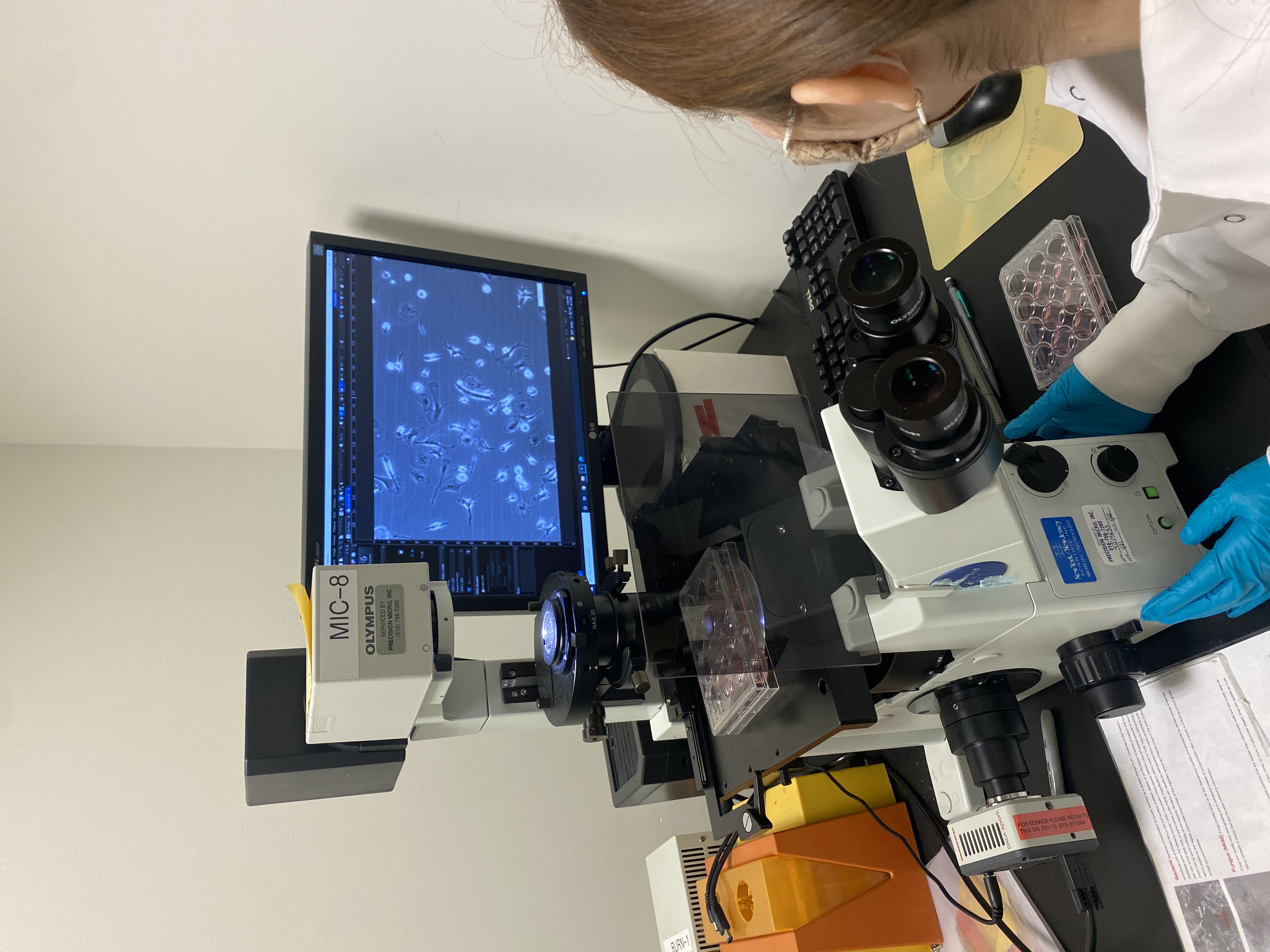
In our state-of-the-art laboratory our team works to reveal the nature of MS at its most basic level

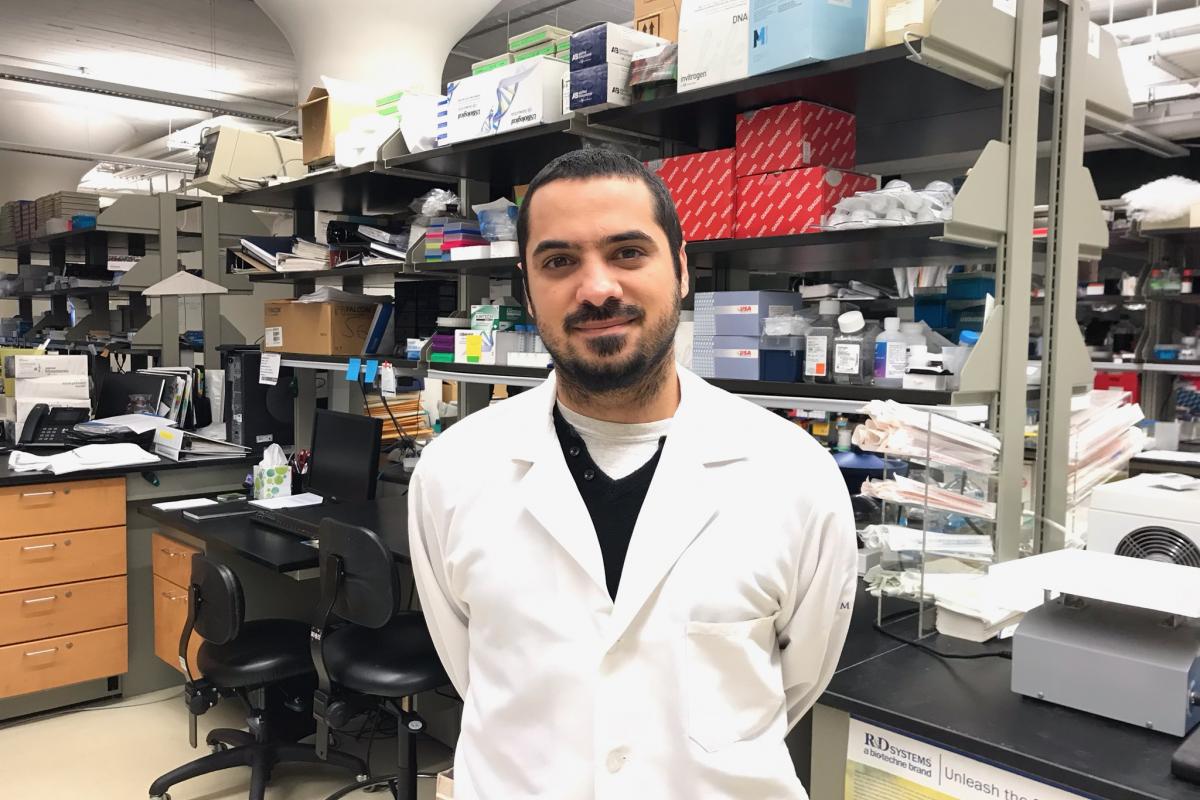
MSRCNY Team

As an academic facility, MSRCNY provides educational and training resources for MS researchers and medical professionals

MSRCNY Goal

Dedicated to developing treatments and a cure for MS

MSRCNY RESEARCH

In our state-of-the-art laboratory our team works to reveal the nature of MS at its most basic level

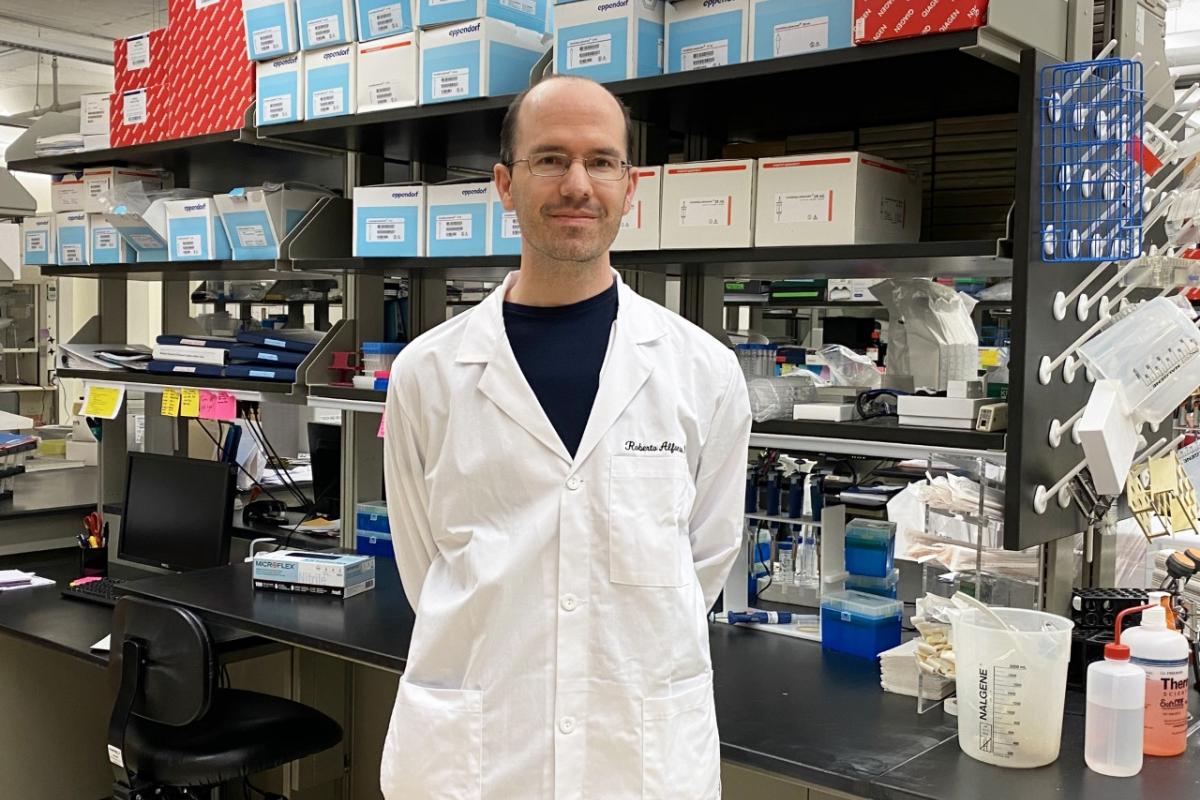
MSRCNY Team

As an academic facility, MSRCNY provides educational and training resources for MS researchers and medical professionals

MSRCNY Goal

Dedicated to developing treatments and a cure for MS

MSRCNY RESEARCH

In our state-of-the-art laboratory our team works to reveal the nature of MS at its most basic level

MSRCNY Team

As an academic facility, MSRCNY provides educational and training resources for MS researchers and medical professionals

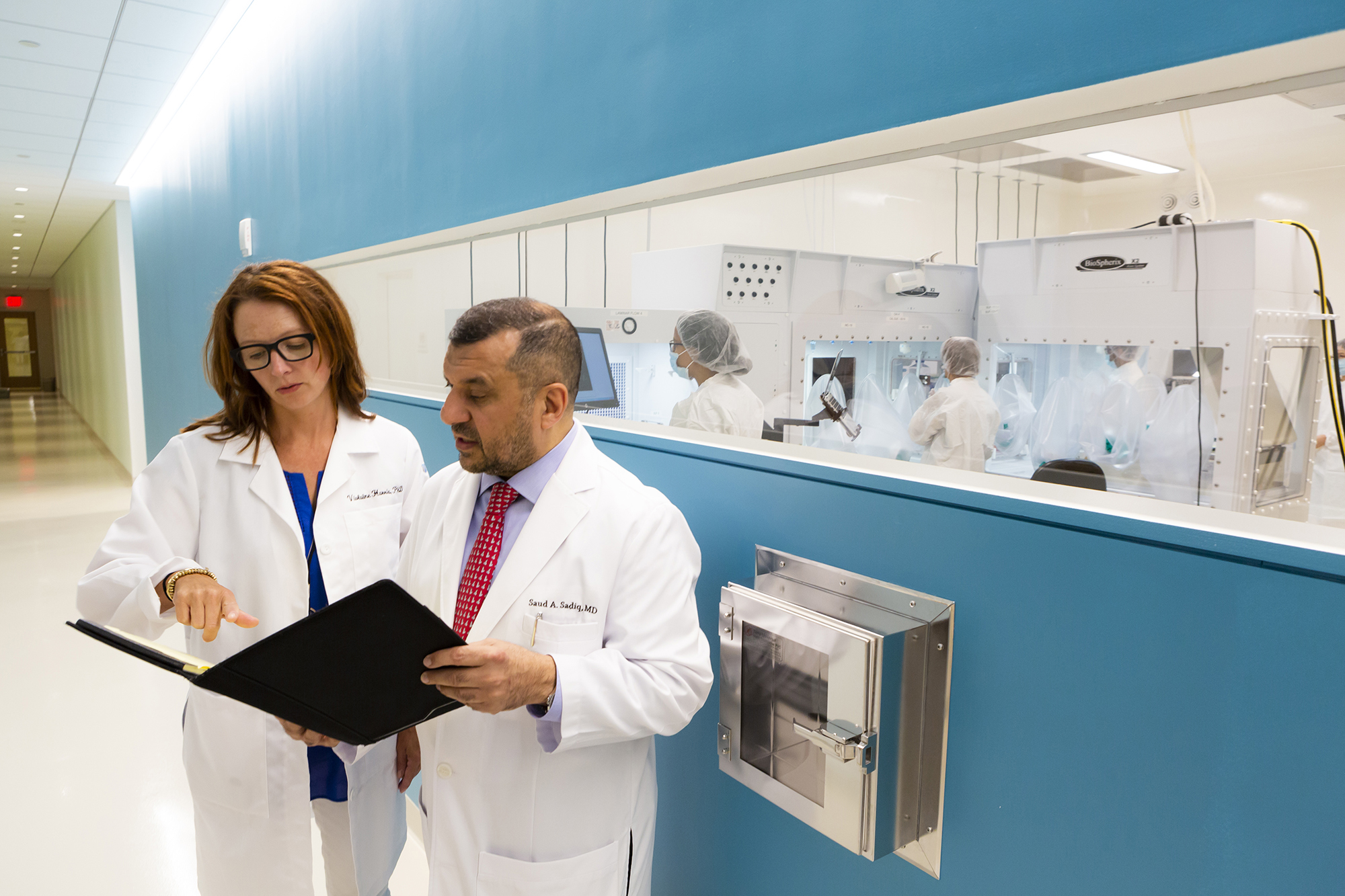
MSRCNY Goal

Dedicated to developing treatments and a cure for MS

Watch Our Story


Spotlight

Dr. Brydon's research interests encompass the study of the relationship between viral infection...

Advance MS Research

Support MSRCNY and our innovative research that leads to treatments that improve the lives of patients.

Latest MSRCNY News

View More

The Multiple Sclerosis Research Center of New York is pleased to announce that it has successfully completed the initial steps towards accreditation to serve as a facility for the processing of human stem cells in clinical trials from the International Cellular Medicine Society. Along with soon-to-be-filed applications for additional certifications, this accreditation is an important step towards actually beginning the administration of neural progenitor stem cells to MS patients.

Fozia Mir, PhD, an Assistant Research Scientist at MSRCNY, presented a lecture on “Lipids in Multiple Sclerosis” Wednesday morning.  Lipids are very biologically active compounds that are highly susceptible to oxidative damage due to the presence of double bonds.  Oxidative stress can cause tissue injury, inflammation, and cell death and has been implicated in the pathogenesis of neurodegenerative diseases, including multiple sclerosis (MS).  The brain has a high lipid...